


The Nipah virus, which is very dangerous, is getting more attention around the world after a small group of cases were identified in West Bengal, India, in late January 2026.
The outbreak is still small, but health agencies and officials across Asia have increased screening and surveillance to stop it from spreading.
The World Health Organization (WHO) and other public health groups keep a close eye on the Nipah virus (NiV) because it has a high death rate and can cause serious illness.
What does the Nipah virus do?
Nipah virus is a zoonotic virus, which means it usually gets from animals to people. It was first found in Malaysia and Singapore in 1998.
It is in the genus Henipavirus and is in the family Paramyxoviridae. Can affect many animals, such as fruit bats, pigs, horses, dogs, and cats.
The virus then gets into people through direct touch with animals that are infected or through their bodily fluids, like feces, saliva, or urine.
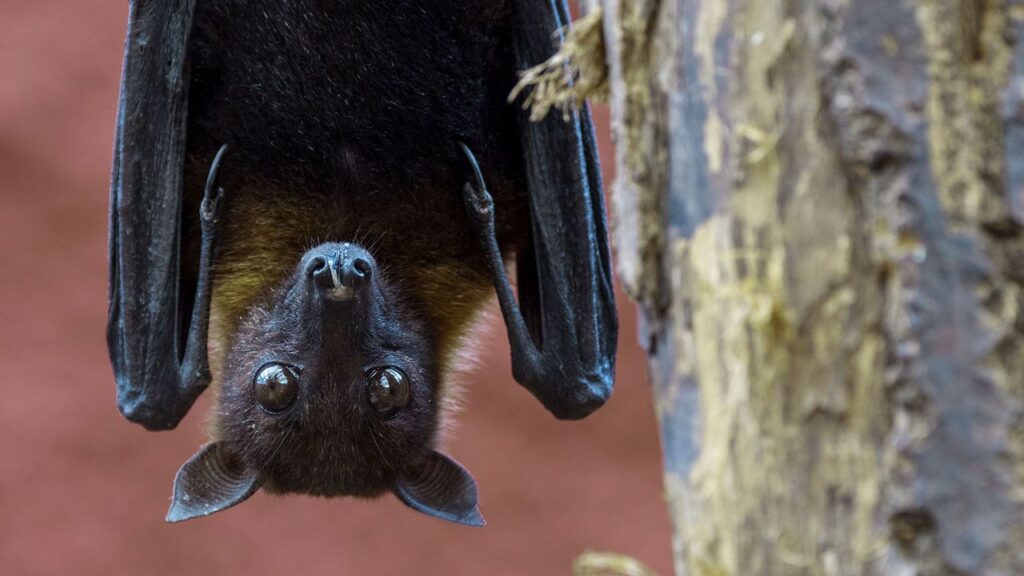
Fruit bats from the genus Pteropus are thought to be the natural carriers of the virus because they often shed Nipah in their fluids without getting sick.
When the virus has spread, some people got it by eating tainted food, like raw palm sap or fruit that had been in touch with infected bats.
New Cases and the Spread in Asia.
In January 2026, West Bengal, India, reported two proven cases of the Nipah virus. Most of these cases involved healthcare workers who probably got the disease while taking care of a sick patient.
The Indian Health Ministry says that almost 200 close friends did not test positive for the virus, and that the situation has been contained locally.
It has not been proven that the virus has spread outside of India, but many South and Southeast Asian countries, such as Thailand, Malaysia, Singapore, Nepal, Hong Kong, China, and Taiwan, have increased health screenings and surveillance at airports to stop the virus from coming in.
Some of these steps are taking temperature readings, giving health surveys, and isolating anyone who shows symptoms when they arrive.
How the Nipah virus gets around
The nipah virus can move from animals to people and, in some cases, from one person to another:
Transmission from animals to humans: Coming into direct touch with bats, pigs, or their bodily fluids that are infected.
Ingestion: Taking in food or drink that has been tainted by animal fluids that are sick.
Human-to-human transmission means being close to someone who is sick, especially a caregiver or family member.
Droplets from the nose, mouth, or other body fluids can spread the virus, but it’s not as good at spreading from person to person as it is with other viruses.
This is why early isolation and control are so important in dealing with an outbreak.
Signs of Having the Nipah Virus
It usually takes between 4 and 14 days for symptoms to show up after contact, but sometimes it can take longer. Early signs look a lot like those of many common illnesses and are:
- A fever
- A very bad headache
- A cough and a sore throat
- Having trouble breathing and having trouble breathing.
The person may have signs like feeling sick, throwing up, and having stomach pain.
As the disease gets worse, the following neurological signs may appear:
- Feeling dizzy and confused
- Having seizures
- Encephalitis is a disease of the brain.
Coma within 24 to 48 hours in very bad cases.
Early signs of Nipah infections can look like those of other illnesses, so it’s important to have clinical suspicion and tests done right away.
Risks of death and long-term damage
The Nipah virus is very deadly, and case-fatality rates in documented outbreaks have ranged from 40% to 75%, based on how well healthcare was provided and how quickly the outbreak was dealt with.
In severe cases, the central nervous system is often affected, which can cause encephalitis and, in many cases, death.
Some survivors may fully heal, but others may have long-term neurological problems like seizures that won’t go away or changes in their personality.
How to Diagnose and Find
Usually, certain lab tests are needed to confirm a Nipah virus infection:
RT-PCR (Reverse Transcription-Polymerase Chain Reaction): Looks for virus DNA in swabs from the blood, throat, or nose.
ELISA, or antibody testing, finds out how the immune system is reacting to the virus and is useful later on, after the attack.
When doctors decide to test for Nipah, they look at the person’s recent travel past, whether they’ve been around sick people or animals, and their current symptoms.
How to Treat and Stop It—What You Should Know
Now, there is neither an approved vaccine nor a special antiviral treatment for people who have been infected with the Nipah virus. Supportive care is what management is all about, and it includes:
- Rest and drinking water
- Taking care of pain and fever
- Help with breathing if needed
Keeping an eye on and handling problems.
Immunotherapeutic drugs and antiviral compounds are some of the medicines and vaccines that are being studied by researchers right now, but none of them have been approved for general use yet.
Prevention is based on staying away from exposure:
Staying away from fruit bats and other known carriers
Do not eat raw date palm sap or fruits that might be infected.
Keeping your hands clean and preventing infections in healthcare areas
Why Nipah Virus Is Taken Seriously
The Nipah virus is considered a dangerous pathogen by health experts because it can kill quickly and spread through close touch.
It doesn’t spread as quickly as flu or COVID-19, but the WHO has made it a priority pathogen because it could cause outbreaks and there aren’t any approved vaccines or treatments for it.
In the past, most outbreaks have happened in Malaysia, Singapore, Bangladesh, and India.
These outbreaks were often caused by bat reservoirs and transmissions between people in homes or hospital settings.
Finally, remember to stay informed and not scared.
Officials say that the current outbreak is contained and limited in scope. This is because of the recent proven cases of Nipah in India, which has led to more health screenings at airports across Asia.
Nipah infection is still a big public health problem because it has very bad signs and a high death rate. Still, the chance of a worldwide pandemic is thought to be low because it is not easily spread and efforts are still being made to control it.
Complete a full thermal test and medical evaluation
Give a full trip history for the last 21 days.
Check for possible signs like fever, headache, cough, or trouble breathing.
No matter what country they are from, these steps are meant to lower the risk of the Nipah virus getting into Pakistan. They apply to all passengers, transit travelers, airline workers, drivers, and support staff.
Responses and alerts in the region
Along with Pakistan, Thailand, Singapore, Malaysia, Hong Kong, and Vietnam have all tightened screening at their airports and borders to keep an eye on people coming from or going through parts of India that were affected by Nipah.
These steps are meant to stop possible infections before they cross countries and keep bigger outbreaks from happening like they did in the past.
The World Health Organization (WHO) says that there is still a low chance that the disease will spread to other countries besides India. At this time, there are no suggestions for travel or trade limits.
Health Advice and Getting Ready for Hospitals in Pakistan
In the province of Sindh, health officials have sent out a public advisory about the Nipah danger, including how to recognize symptoms and take precautions. There have been no confirmed cases in Pakistan yet, but both state and private hospitals have been told to
Be very careful.
Follow the Federal Ministry of Health’s instructions.
Report and separate diseases right away.
Nipah is a deadly zoonotic virus, which means it can be passed from animals to people. In the worst cases, it can cause severe respiratory illness and brain inflammation (encephalitis).
People are also told to handle food safely by washing fruits and veggies well and not leaving food out in the open for long periods of time, especially in places where fruit bats may live.